SEO Case Study: 900% Organic Traffic Growth for a UK Drainage and Plumbing Services Company
The website of a UK company providing drain unblocking, inspection, and repair services for residential and commercial clients
– Increase organic traffic from Google
– Grow the number of inquiries and potential customers from organic search
– Improve website visibility for commercial queries in the drainage services niche
– Expand the website structure to cover additional services and local search queries
– Develop the informational content direction to attract additional targeted traffic
– Increase the website’s authority through content development and systematic work with off-page factors
Drainage and plumbing services in the UK market. The company specializes in serving residential and commercial properties, including emergency drain unblocking, diagnostics, maintenance, and repair of drainage systems. The target audience includes homeowners, landlords, property managers, and business representatives who need scheduled or emergency drainage services.
January, 2025 - present day
United Kingdom
Challenges of the project
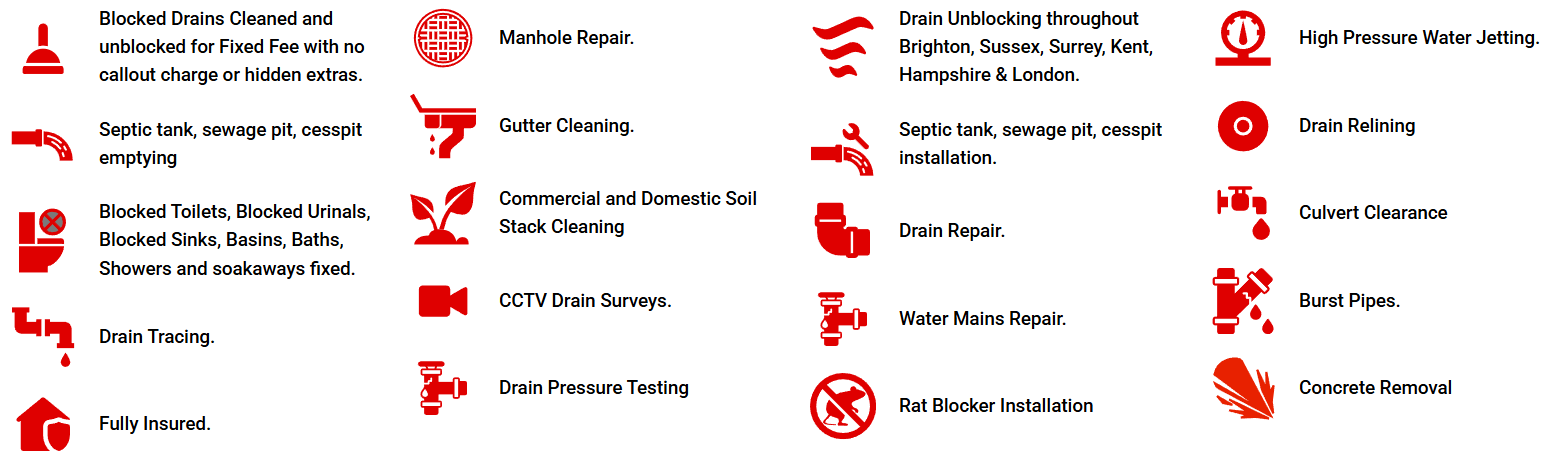
The client’s website represents a UK company providing drainage and plumbing services for residential and commercial clients.
Main service areas:
- Unblocking clogged drainage systems, toilets, sinks, baths, and showers.
- Drainage diagnostics using CCTV inspection.
- Drain repairs, high-pressure water jetting, and trenchless pipe rehabilitation.
- Septic tank, cesspit, and private sewage system maintenance.
- Emergency water pumping and response to local flooding.
- Additional drainage and plumbing services for owners of residential and commercial properties.
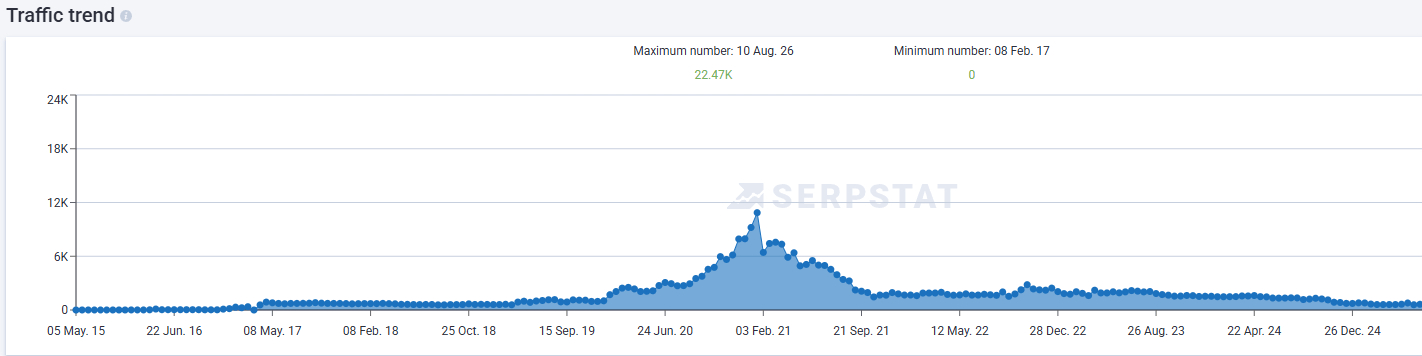
At the start of cooperation, the project was already being worked on for SEO, but the existing efforts were not delivering stable results. Visibility and organic traffic remained low compared to the niche potential, and the overall trend was negative. In 2024, organic traffic was declining almost every month, with an average year-over-year drop of around 31%.
The initial analysis conducted by our team helped identify the main issues:
- technical errors affecting SEO performance;
insufficient optimization of commercial and regional pages; - weak performance of the existing website structure and limited coverage of local demand;
- outdated content on some pages that had barely been updated for years;
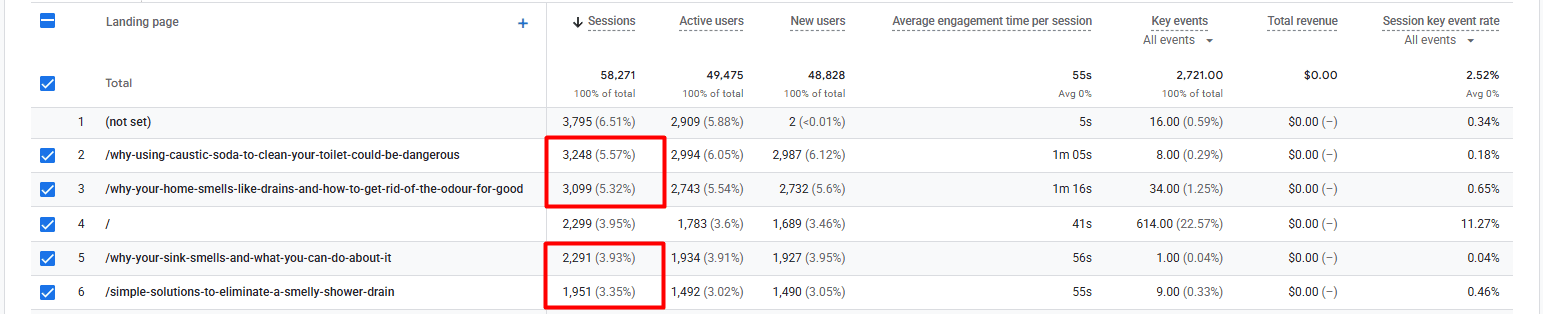
- very weak coverage of informational queries, despite high search demand in the niche.
The key objective was to stop the long-term decline in organic traffic and change the project’s growth trajectory. To achieve this, the existing SEO strategy had to be revised: technical errors needed to be fixed, commercial content had to be updated, the structure had to be significantly expanded for services and location-based queries, and the informational direction had to be developed systematically to cover additional search demand.
Project analytics prior to collaboration
Project Visibility:
Conclusion:
At the start of the project, the website had extremely low visibility in search engines.
Initial data:
| Metric | Value |
|---|---|
| Visibility score | 0.01 |
| Organic SEO traffic | ≈ 838 visits |
| Queries the website ranked for | ≈ 2.3K |
A large number of keywords combined with such low traffic indicated that most of the semantics were far from the top positions and generated almost no users for the website.
Despite previous SEO work and attempts to expand the website structure, the project was not showing stable growth. Commercial and regional pages had insufficient visibility, informational demand was barely covered, and technical and content-related issues further limited the website’s potential.
To change the trend, the SEO strategy needed to be comprehensively revised: expanding the structure for commercial and local queries, developing the informational direction, updating and optimizing existing content, fixing technical errors, and systematically working on off-page factors.
Traffic analysis:
Conclusion:
The analysis showed that the main problem was not simply the low volume of organic traffic, but its long-term decline. Although the website was already being promoted through SEO, the negative trend had not been reversed. Throughout 2024, organic traffic declined almost every month, and each month’s results remained lower than the same period in 2023.
On average, organic traffic was down by around 31% year over year. This decline affected pages directly related to customer acquisition, including drain unblocking and repair service pages, CCTV inspection pages, protective solution installation pages, and regional landing pages.
Therefore, the first SEO priority was to stop the steady decline and shift the organic channel toward growth. The further strategy was built not around maintaining the existing results, but around recovering lost traffic and then scaling the project.
Keyword distribution by rankings:
Conclusion:
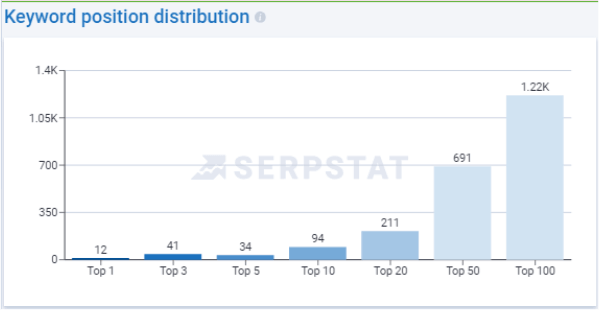
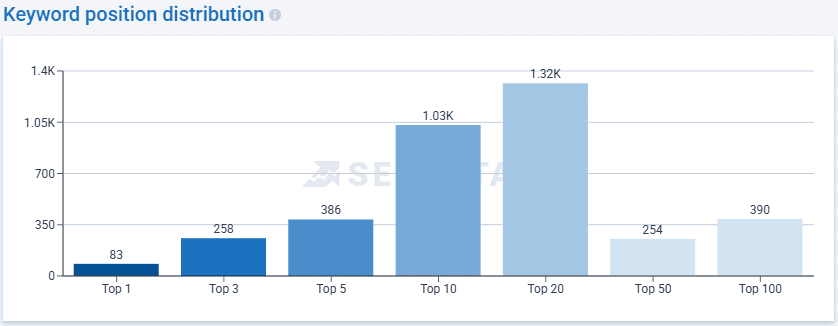
The keyword distribution revealed an important feature of the project: Google was already ranking the website for a significant number of queries, but the vast majority of them were not reaching the first page of search results. Out of 1.22K queries in the TOP 100, only 94 were in the TOP 10, while top-ranking positions were held by only a very small share of the semantics.
This meant that one of the main growth opportunities was not only creating new pages and expanding semantic coverage, but also working with the visibility the website had already accumulated. Hundreds of queries were within the TOP 20–50 and could generate significantly more traffic if moved to the first page of Google.
That is why the strategy placed a separate focus on finding these queries and pages, re-optimizing them, and strengthening them. This made it possible to work in two directions at once:
1. achieve faster growth through the existing semantics;
2. create new entry points in parallel for further project scaling.
Team actions
Project problematics:
- Technical errors in website optimization
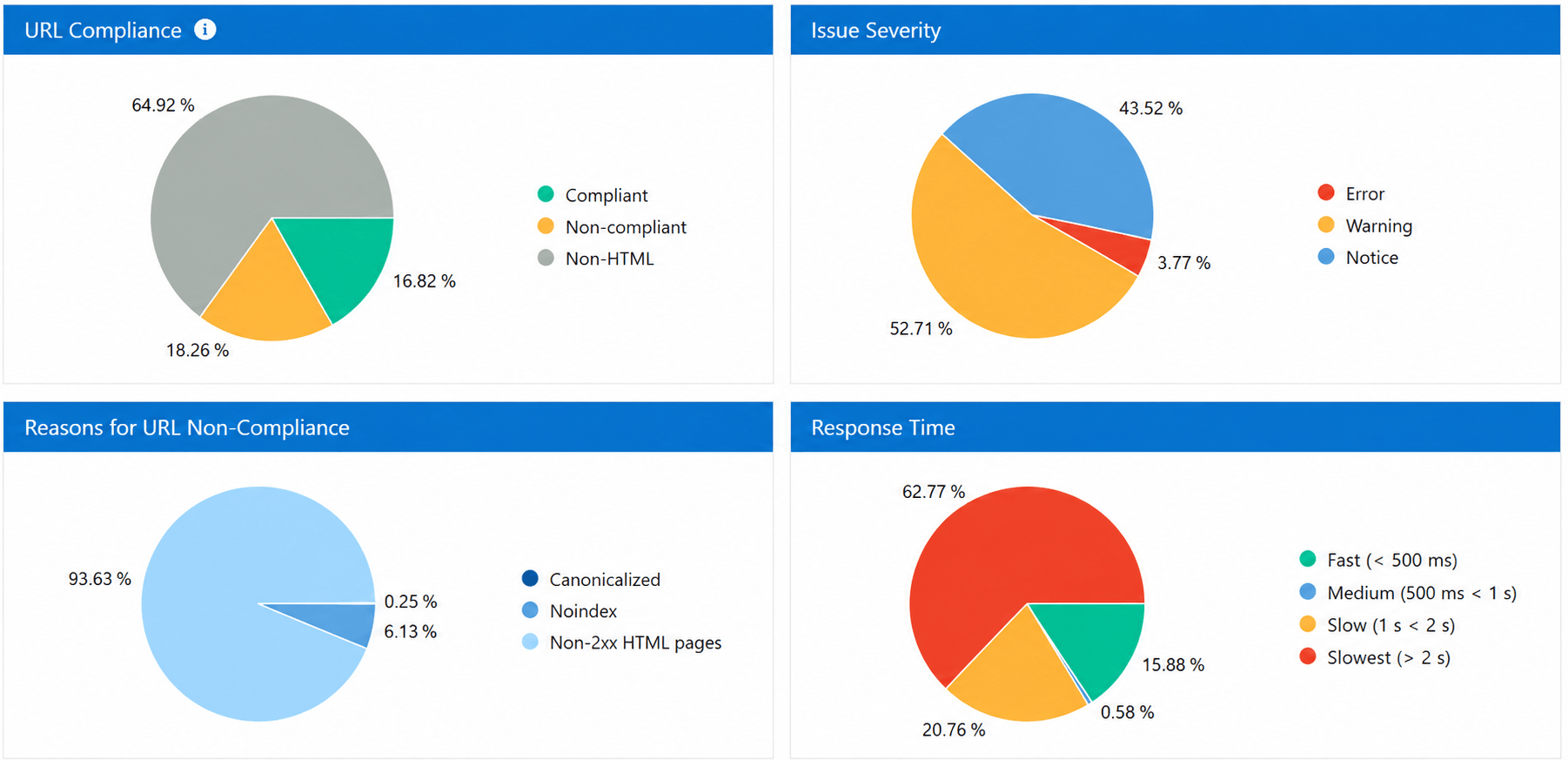
At the start of the project, the website had a significant number of technical issues that reduced the effectiveness of SEO promotion and made further development of the resource more difficult. These issues affected page indexing, HTML markup, performance, responsiveness, and other technical aspects that influence crawling, page processing by search engines, and overall SEO efficiency.
During the technical audit, the following areas were identified and addressed:
- errors in the robots.txt setup;
- pagination issues;
- duplicate pages;
- issues with structured data;
- HTML markup errors;
- caching issues;
- weak performance;
- mobile responsiveness issues;
- issues affecting user interaction with the website, and more.
Our team carried out comprehensive technical optimization:
- prepared and implemented technical recommendations;
- removed duplicates;
- improved structured data and HTML markup;
- optimized website performance.
As a result, the technical side of the website stopped being one of the factors limiting further SEO scaling and search visibility growth.
Project problematics:
- Lack of metadata optimization for relevant keyword queries
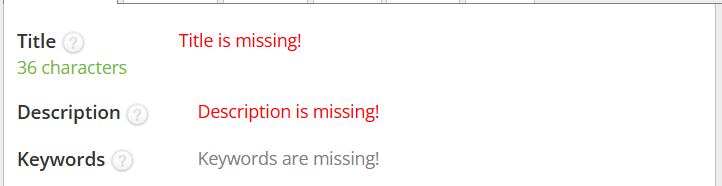
At the start of the project, we identified systemic metadata issues both on the main service pages and on the website’s supporting service pages. Some Titles and Descriptions did not match the current semantics or search intent, duplicates were present, and the necessary geo-targeting was missing for local landing pages. In addition, metadata templates for standard page types had not been optimized, which led to duplicates and weakly optimized Titles and Descriptions when the structure was expanded.
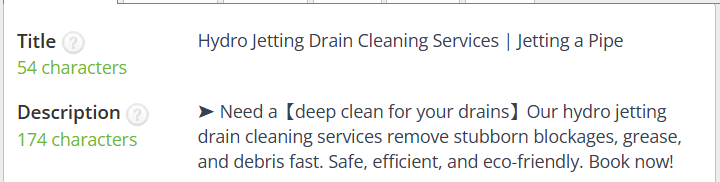
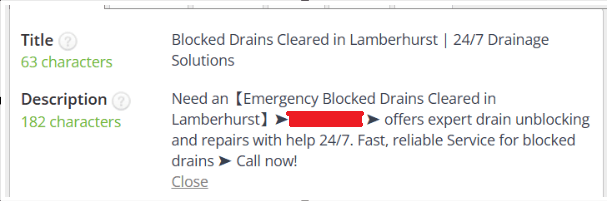
As part of the work, we rebuilt the semantic core and clustered queries by page type. Based on this, we manually optimized Titles, Descriptions, and H1 headings for priority landing pages, and developed metadata generation templates for scalable groups of pages, taking into account the service, location, and target query cluster. This helped systematize the optimization of existing pages and create a foundation for further structure expansion.
Example of optimized metadata after semantic core collection:
Example of optimized metadata templates:
Project problematics:
- Insufficient content optimization of commercial pages
At the start of the project, the quality of content on commercial pages varied significantly. Some service pages had no SEO text at all, while others contained content that was not optimized for the current semantic core. We also identified pages with partially or fully duplicated content, including among regional landing pages. As a result, different URLs could compete for similar groups of queries, while some priority pages did not have sufficient optimization.
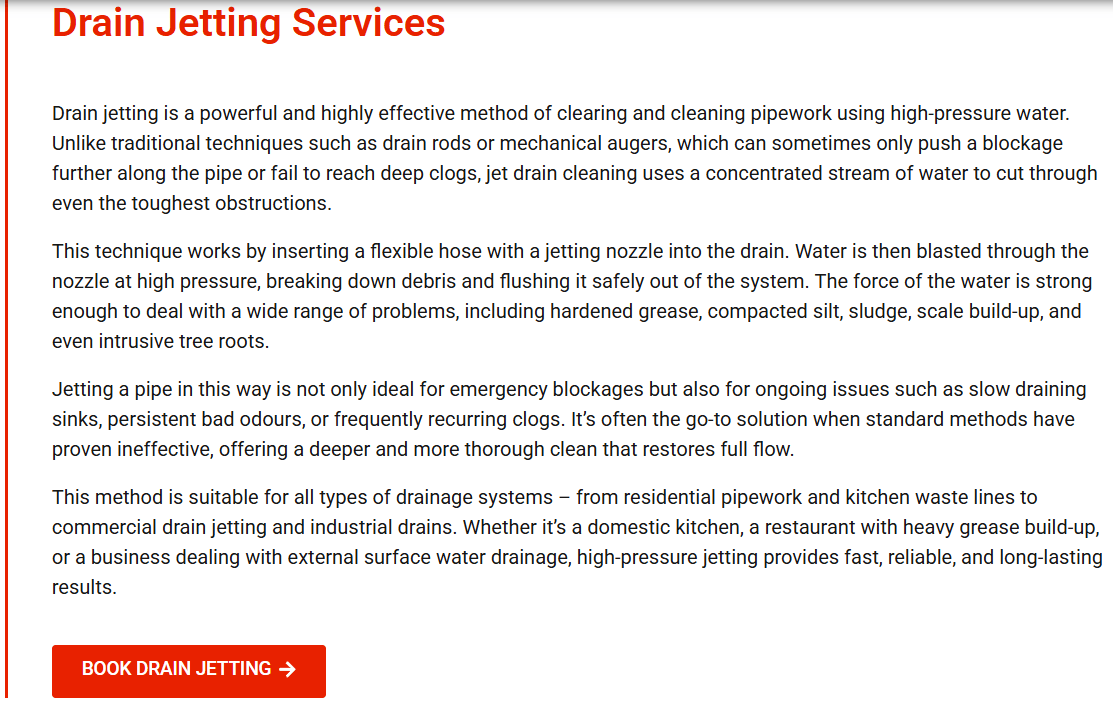
As part of the work, we completely revised the content on commercial pages. For pages without text optimization, we prepared new content; existing texts were updated based on the collected semantics; and duplicate content was reworked according to the target queries of each landing page. We also separately optimized the heading structure, the use of primary and secondary queries, content completeness, and additional content blocks.
Example of properly optimized SEO texts on commercial pages:
Project problematics:
- Lack of a systematic SEO scaling strategy
At the start of the project, we saw that some SEO directions were already being developed, but the work was not combined into a single strategy and was often not brought to full implementation. Articles were being published on the website, regional pages in the “service + location” format were being created, a case study section had appeared, and some commercial pages were being worked on. At the same time, the structure was scaled only selectively, informational content covered only a small share of the available semantics, and the case studies were barely optimized.
The main problem was not the absence of SEO work as such, but the lack of a systematic approach to developing each direction. The potential of local SEO was not being used in full, there was no large-scale work with informational semantics, and existing page types were not being developed as separate growth points for organic traffic. As a result, the website had a foundation for further promotion, but a significant share of search demand remained uncovered.
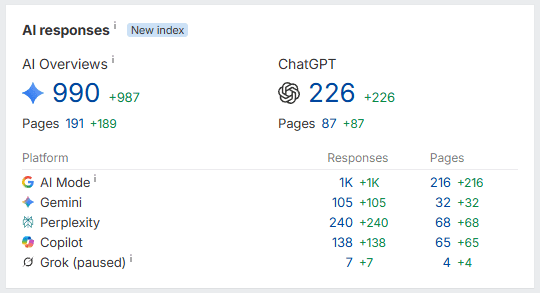
As part of the new SEO strategy, we developed a set of directions for scaling the project. We continued expanding the structure using the “service + location” model, worked through new types of landing pages based on competitor structure and semantic analysis, started systematic blog development, and optimized existing case studies. Separate areas of work included creating pages for different service sectors, expanding informational content, implementing programmatic SEO, and optimizing the website for AI search results. In addition, we tested new landing page models and SEO scaling directions that made it possible to consistently increase semantic coverage and the number of organic search entry points.
Examples of strategic directions implemented as part of SEO promotion:
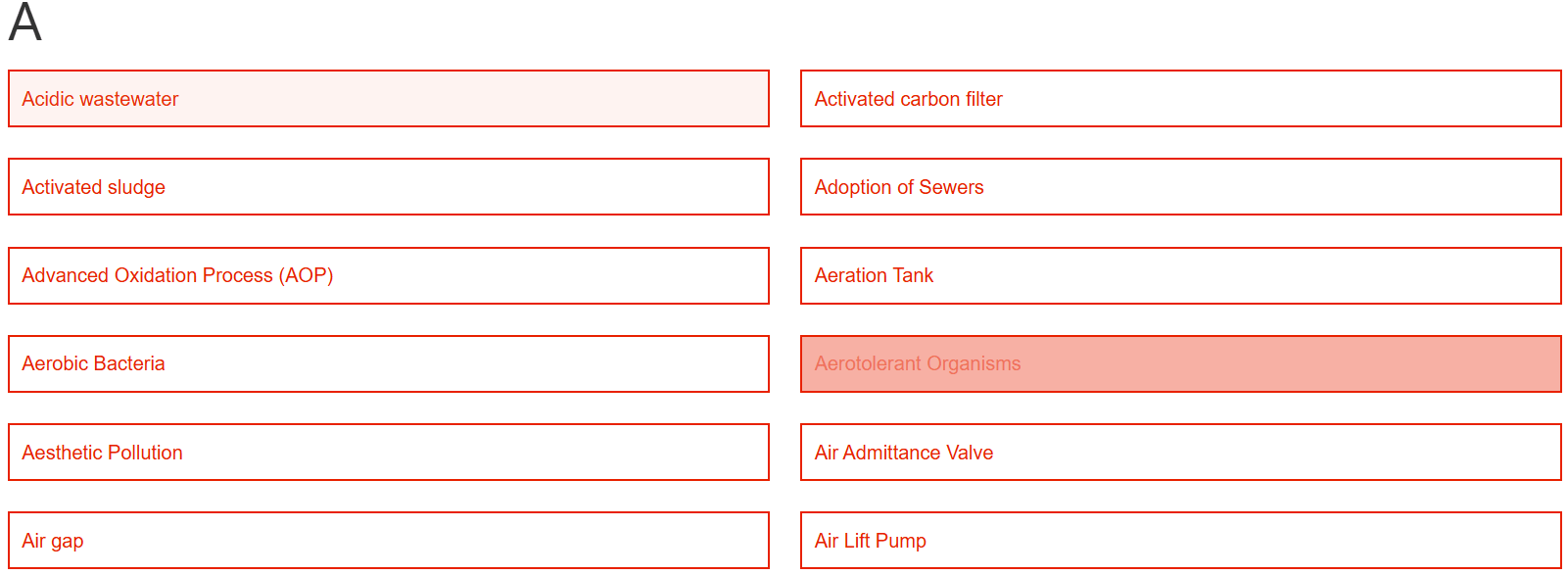
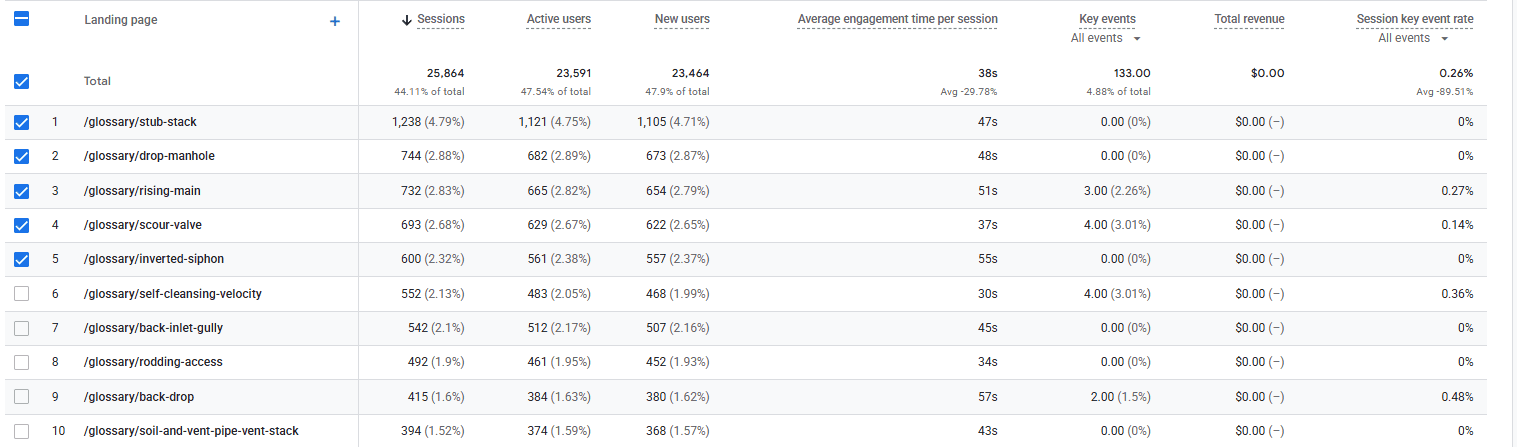
– Development of a glossary to expand informational semantics and the website’s topical coverage.
– Development of the case study section and optimization of pages for relevant low- and mid-frequency queries
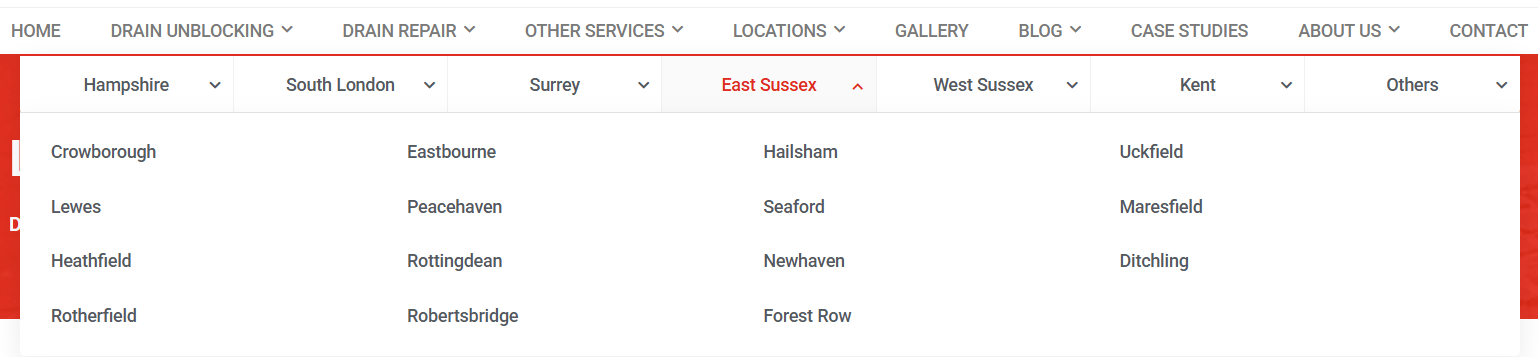
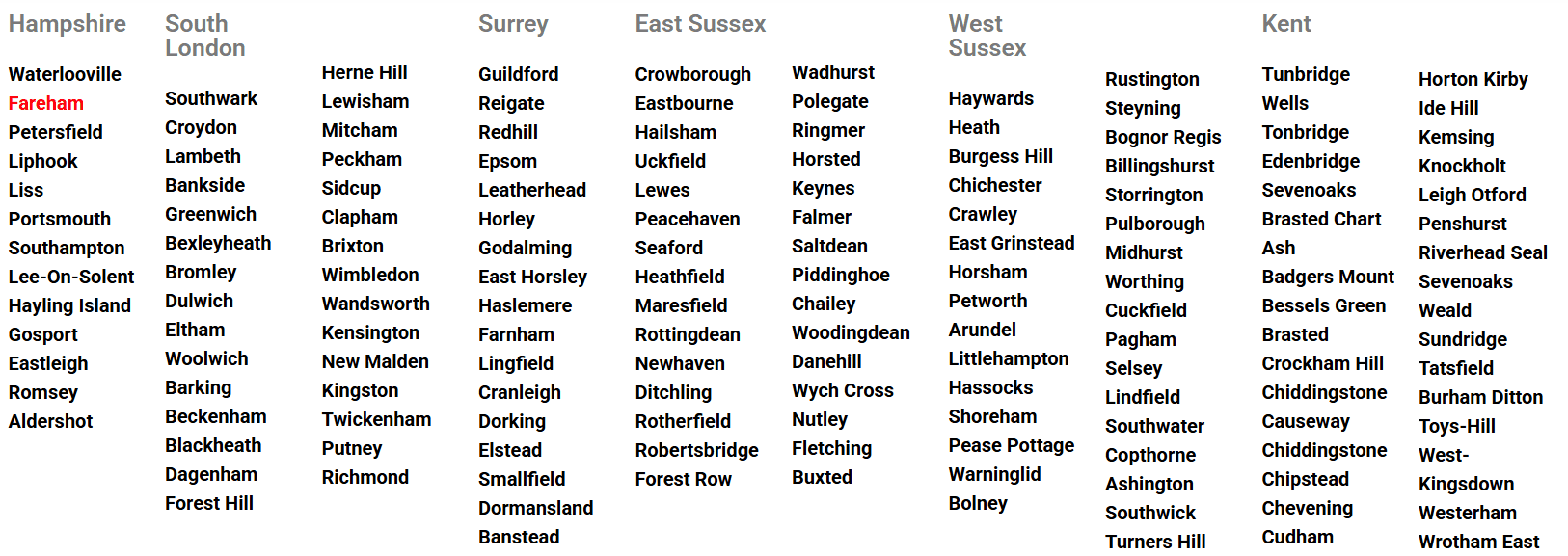
– Expansion of the local SEO structure: identifying all service areas and creating separate landing pages for “location + main service” combinations
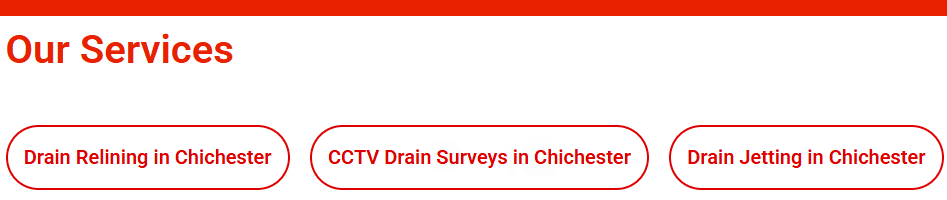
– Scaling the regional SEO strategy by creating similar landing pages for lower-frequency services
– Expansion of the website’s commercial structure by creating separate landing pages with services for different industries and business sectors
In addition, we implemented a number of additional directions for systematic development and further scaling of the project’s organic visibility.