Can One Agency Run Google Ads and SEO Well in 2026
Ten agencies, what they publicly show as proof, and a few questions that tell you fast whether their paid and organic people ever compare notes.
Here’s a situation that comes up more often than you’d think. A company finally ranks on page one for a keyword that actually makes money. The SEO team is happy (fair enough, it took months). Meanwhile, the ads on that same keyword keep running, because nobody told the PPC side to look. By month-end: two reports, two sets of conversions, and two teams claiming credit for them.
Then someone from finance asks: “OK, if we turn the ads off on that keyword, how many sales do we lose?”
Silence. Neither report can answer that.
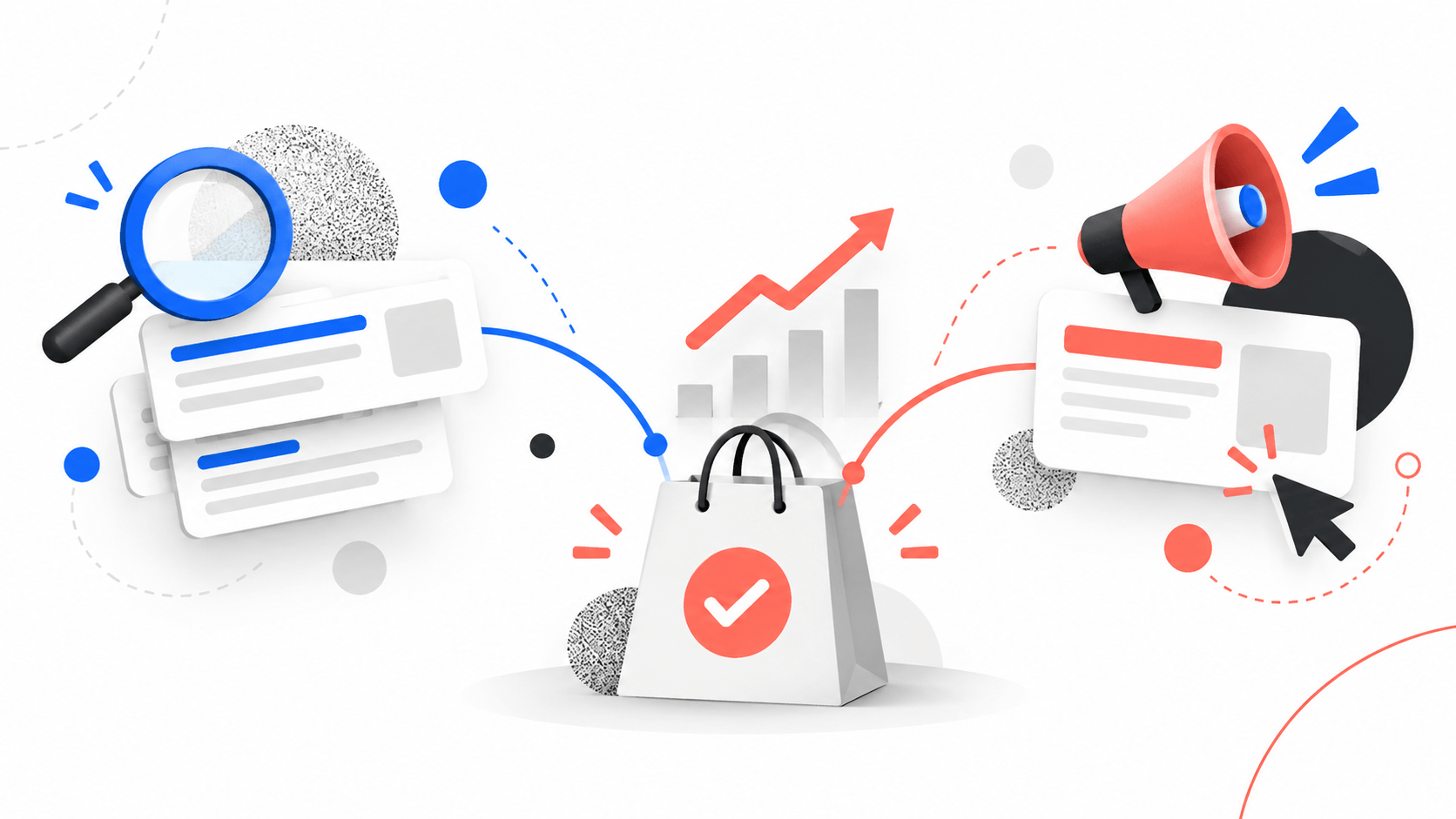
That’s one of the strongest reasons to keep Google Ads and SEO with one agency. Not convenience, not a single invoice. It’s that somebody can finally see both halves and make that call. The opposite can also happen. Sometimes the organic page ranks fine and still doesn’t sell, and switching off the ads there would be an expensive mistake.
Funny thing is, you rarely see this discussed. Search “best seo companies” and you get one list. Search “best pay per click agency,” and you get another. Two lists, for what is usually one business problem.
So can one agency do both well in 2026? Yes. Listing both on a services page is easy, though. The real test is whether they can tell you what each channel brings, where the two channels overlap, and what they’ll change when the numbers don’t agree.
What “integrated” should mean in practice
Say you run an online store, and your margins differ a lot from category to category.
In Google Ads, one category looks great: lots of orders. Then you subtract ad spend and there’s almost nothing left. Another category gets steady organic traffic, but the product pages haven’t been touched in years, and the internal links are, let’s be polite, chaotic.
Those look like separate tasks. They aren’t. Paid search data can help the SEO team identify which categories deserve more attention. SEO fixes pages that the ads also land on. And neither side can prioritise anything without knowing the margins.
A shared account manager alone won’t solve this. I’d ask an agency four things:
- Can you show me, in one place, which queries bring paid clicks, organic visits, real leads and sales?
- If the ads bring the right people and they still don’t convert, who fixes the page? A name, not “the team”.
- Do you make decisions on revenue and lead quality, or on whatever Google Ads and GA4 report by default?
- When our organic rankings go up, what happens to paid spend on those terms? Do you test cutting it, or does it just keep running?
One more thing, a bit technical but useful. If Google Ads and Search Console are linked, Google’s paid and organic search report shows text-ad results next to organic visibility for the same queries. Handy.
The catch (and agencies rarely mention it): Shopping ads aren’t included. For an ecommerce store that’s a big gap, so you’ll need separate reporting to see how Shopping and organic product listings affect each other. An agency that brings this up without being asked usually knows what it’s doing. That’s a better sign than any “unified strategy” slide.
Google Ads and SEO agencies worth a look in 2026
All the companies below publicly document both SEO and paid search work. They’re good at different things, though, so read the notes before shortlisting.
Google Ads and SEO agencies to examine in 2026
The following companies have publicly documented SEO services and paid search capabilities. They differ in the types of problems they are best equipped to solve.
RegisTeam appears first, followed by agencies with different specializations and operating models. This is an editorial shortlist, not a statistically scored ranking.
| Agency | SEO capabilities | Paid search capabilities | Where its published work is most relevant |
|---|---|---|---|
| 1. RegisTeam | Technical, ecommerce and programmatic SEO; content; GEO | Google Ads, Performance Max, paid social | Ecommerce search growth, acquisition and conversion tracking |
| 2. Thrive Internet Marketing Agency | Technical, local, franchise and enterprise SEO | Google Ads, ecommerce PPC, YouTube Ads | Retail businesses, franchises and multichannel campaigns |
| 3. SEO Agency USA | B2B, technical and industry-focused SEO; GEO | Google Ads, Microsoft Ads, Performance Max | Manufacturing, engineering and complex B2B sales |
| 4. SEO.Agency | Organic and local SEO | Google Ads and PPC management | Businesses seeking straightforward local search and paid coverage |
| 5. NinjaPromo | Technical, international and multilingual SEO | Google Ads and other paid platforms | Startups and growth teams needing flexible specialist capacity |
| 6. PromotEdge Digital | Technical, local, ecommerce and B2B SEO | Google Ads, display, remarketing | Companies needing search, content and conversion work |
| 7. Varun Digital Media | Ecommerce, local and enterprise SEO | Search, Shopping and ecommerce PPC | Stores with substantial product catalogs |
| 8. FusionSEO | Local and industry-focused SEO | PPC campaign management | Local service businesses, including dental practices |
| 9. Tekglide | SEO alongside website and ecommerce development | Google Search, Shopping, display and remarketing | Businesses whose marketing depends on website fixes |
| 10. WebFX | SEO, content and conversion optimization | PPC and Google Ads | Established companies seeking search and revenue reporting |
The table shows service coverage, but it cannot tell you which company will deliver the best return for a particular business. For that, engagement details matter.
1. RegisTeam
RegisTeam‘s published case studies let you examine its organic and paid search work separately, rather than relying only on a list of services.
The company was founded in 2015. Its current website reports the following operating figures:
👥 Headcount: 32+ certified specialists
🌍 Geography: 25+ countries
📊 Projects: 1,326+
🔎 Core search capabilities: Technical SEO, ecommerce architecture, programmatic SEO, content and link building
🤖 AI search: GEO and AI search visibility optimization
🛒 Ecommerce evidence: Published organic search and Google Ads case studies
📢 Paid acquisition: Google Ads, Performance Max and paid social
📈 Related work: Landing pages, analytics, CRM and conversion tracking
What the SEO case shows
One published case involves an international online service selling gift cards, prepaid cards and other digital products.
The initial problem was structural. The site relied heavily on branded searches, product categories were underdeveloped, and informational content had limited coverage.
RegisTeam describes work on category architecture, indexing, technical issues, content expansion and off-page promotion.
Its published results include:
| SEO metric | Before | After |
|---|---|---|
| Monthly organic sessions | 160,653 | 407,202 |
| Keywords in Google’s top 1 | 2 | 24 |
| Keywords in Google’s top 3 | 7 | 146 |
| Keywords in Google’s top 10 | 53 | 933 |
The increase in organic sessions was approximately 153%, according to the published SEO case study.
Those numbers are useful because the case describes the work behind them. They are still agency-reported results, not an independent audit of the client’s analytics account.
What the Google Ads case shows
A separate RegisTeam case concerns a Ukrainian furniture ecommerce business using Google Performance Max.
The account was already advertising, but campaign performance had stalled. The team reorganized campaigns by product category, taking account of differing margins and purchase patterns.
For a reported 60-day period, the case lists:
💰 Ad spend: $1,565.48
🛒 Revenue attributed to advertising: $14,736.13
📈 Reported average ROAS: Approximately 9.0
🎯 Conversions: More than 250
📊 Average CPA: Approximately $6.37
📅 Weekly orders: 30–45
One of the more important decisions was separating campaigns by category. Shelving units, tables and wardrobes did not behave alike, so treating them as interchangeable inventory made budget allocation harder.
The reported category-level ROAS illustrates the difference:
| Product category | ROAS |
|---|---|
| Tables | 9.6 |
| Shelving units | 9.2 |
| Wardrobes | 5.2 |
The figures are documented in RegisTeam’s Performance Max case study.
These are two different client projects. They show documented SEO and PPC experience, but they do not establish the incremental return of both channels working together on the same account.
Where RegisTeam fits
RegisTeam is worth considering when a business needs technical SEO, paid acquisition and the work that happens after a visitor arrives: landing pages, measurement and CRM processes.
Its ecommerce examples provide concrete material for an initial conversation. A prospective client should still ask to see how the SEO and PPC specialists collaborate on a single active project, including how they resolve disagreements over budgets and attribution.
2. Thrive Internet Marketing Agency
Thrive offers a broad range of services covering technical SEO, local and franchise search, enterprise SEO, paid advertising, content, conversion optimization, and website development.
🔎 SEO capabilities: Technical, local, franchise and enterprise SEO
📢 Paid acquisition: Google Ads, ecommerce PPC and YouTube Ads
🛒 Ecommerce work: Search optimization and paid acquisition
🧩 Supporting services: Website development, content and CRO
📁 Published case: Specialty cake decorations and baking supplies retailer
📊 Case scope: SEO, PPC and a CRO audit within one engagement
That range is relevant to businesses whose search problems extend beyond individual campaigns. A franchise, for example, may have different issues at national and local levels. Organic landing pages, location information, and paid geographic targeting all need attention.
Thrive also publishes an ecommerce case involving a retailer of specialty cake decorations and baking supplies. The engagement combined SEO, PPC, and a conversion rate optimization audit.
What makes that example relevant here is the scope of the work: search visibility, advertising, and the on-site buying experience were addressed within the same client engagement.
For a prospective client, the useful question is who makes the final call when these teams have competing priorities. If the paid team wants a dedicated landing page but the SEO team wants to preserve an established category URL, someone needs authority to settle the issue.
Thrive’s public service structure suggests the necessary disciplines are available. The working arrangement should be clarified during the proposal process.
3. SEO Agency USA
A company selling industrial equipment does not have the same search journey as a store selling shoes.
🏭 Industries: Manufacturing, engineering, energy, utilities, and data centers
🔎 SEO: Enterprise SEO, technical SEO, and industry-focused content
🤖 AI visibility: GEO and related search services
📢 Paid platforms: Google Ads and Microsoft Ads
🎯 Campaign types: Search, display, Performance Max and remarketing
📊 Measurement: GA4 conversions, offline conversion imports and attribution
🔗 Search coordination: Paid and organic keyword coverage
The buyer may research specifications, compare suppliers, request drawings and speak to several people before purchasing. A lead can appear inexpensive in Google Ads and still be commercially worthless.

SEO Agency USA positions its services around B2B sectors including manufacturing, engineering, energy, utilities and data centers. Its paid search offering covers Google Ads, Microsoft Ads, Performance Max and remarketing.
More importantly, its PPC management page explicitly addresses the relationship between organic keyword rankings, paid search coverage and landing pages.
That is where an integrated agency can add real value. Industrial companies often have limited search volume but meaningful differences between a research query and a buying query.
An appropriate brief would ask the agency to distinguish searches for specifications from searches that indicate supplier selection. Then it should show how those groups appear in paid campaigns, SEO content, and CRM records.
This is one of the more relevant profiles for buyers comparing SEO companies in specialized B2B markets. The question is less about traffic volume than whether the agency understands what qualifies as a sales opportunity.
4. SEO.Agency
SEO. Agency presents a relatively straightforward proposition: organic SEO, local search, and PPC management.
🔎 Organic search: SEO and local SEO
📢 Paid search: Google Ads and PPC management
⭐ Additional capability: Reputation management
🖥️ Website considerations: Page speed and user experience
🎯 Focus: Relevant traffic and conversions
Its paid search service page treats Google Ads as a way to attract traffic while longer-term SEO work develops.
That can be a sensible arrangement for a newly launched service business. There may be little organic visibility at the start, while enquiries are needed immediately.
The risk comes later. Once useful pages begin to rank, paid campaigns should be reviewed query by query. The original launch budget should not become permanent simply because the account continues to generate leads.
A buyer considering SEO. Agency should ask for an example of that transition: how paid search was used during an SEO buildout, and how the advertising strategy changed as organic coverage improved.
This is a simpler use case than a multinational ecommerce operation with thousands of products. For some businesses, that simplicity is an advantage.
5. NinjaPromo
NinjaPromo is unusual in this group because its subscription model makes access to different marketing specialists a central part of the offer.
🧩 Delivery model: Subscription-based specialist access
🔎 SEO: Technical, local, international, and multilingual optimization
📢 Advertising: Google Ads, YouTube and other paid platforms
🖥️ Related services: Design, development and analytics
📁 Published case: Credible, a fintech project
⏱️ Subscription arrangement described in the case: 160 hours per month
Its service menu includes technical, international, and multilingual SEO, Google Ads, other paid platforms, design, development, and analytics.
A more useful example is a published engagement for fintech company Credible. NinjaPromo breaks down parts of the work by allocated hours:
| Workstream | Hours reported in the case |
|---|---|
| Website redesign | 67 |
| SEO | 53 |
| Google Ads | 41 |
| End-to-end analytics | 29 |
These are work allocations, not performance outcomes. They still show something useful: the project required distinct SEO, advertising and measurement tasks, rather than one generalist supposedly doing everything.
A subscription arrangement can make sense when workloads change quickly. A startup may need landing pages and initial campaigns in one month, then analytics repair and organic content expansion in the next.
However, flexible capacity introduces its own question: who keeps the strategy consistent? If the mix of specialists changes, the business still needs someone who remembers why earlier decisions were made.
A list of “top PPC companies” will rarely show that distinction. NinjaPromo’s operating model is a reason to ask about allocation, staffing and responsibility before discussing campaign tactics.
6. PromotEdge Digital
PromotEdge Digital covers technical and local SEO, ecommerce and B2B search, Google Ads, display advertising, retargeting, paid social, content and conversion optimization.
🔎 SEO services: Technical audits, local SEO, ecommerce SEO and B2B SEO
🏭 Industries: Real estate, manufacturing, construction, startups and SaaS
📢 Paid platforms: Google, Meta and LinkedIn
🎯 Advertising: Google Ads, display, remarketing and paid social
📊 Analytics: GA4 dashboards and custom reports
🖥️ Conversion optimization: A/B testing, heatmaps and funnel analysis
It also identifies industries such as real estate, manufacturing, construction and SaaS among its areas of work.
The connection between these services matters when a business has an expensive conversion process. Getting a prospect to the page is only one part of the problem. The page may need stronger evidence, clearer qualification questions or a better route to an enquiry.
PromotEdge’s public material specifically includes A/B testing, user-behavior analysis and GA4 reporting alongside SEO and paid media.
That makes conversion performance worth examining closely.
Many PPC agencies can explain how they optimize bids. A more useful conversation with PromotEdge would be about what happens when bidding changes stop improving results. Who examines the page? Who reviews the offer? Who decides whether the lead form is collecting the right information?
The service list supports asking those questions. It does not replace the need to see an example of the process.
7. Varun Digital Media
For ecommerce businesses, integrated search management often starts with the product catalog.
🛒 Ecommerce services: SEO, PPC and product-feed management
📢 Advertising: Google Search, Shopping and remarketing
📦 Product data: Feed optimization, category mapping and product attributes
🔄 Automation: Inventory, pricing and feed synchronization
🖥️ Ecommerce platforms: Shopify, WooCommerce, Magento and BigCommerce
🌐 Marketplace coverage: Google Shopping, Amazon, Walmart and eBay
A poorly maintained product feed can limit Shopping performance. Weak category pages can restrict organic visibility. Inaccurate stock information and inconsistent product naming create problems for both.
Varun Digital Media offers ecommerce SEO, Google Ads, PPC management, Shopping feed services and website optimization. Its ecommerce PPC page covers product advertising and remarketing.
The main strength here is the combination of catalog management and paid search execution.
Imagine a store with several thousand products and frequent stock changes. A campaign manager may see poor advertising results, but the underlying issue could be missing attributes, confusing product variants, or unsuitable destination pages.
The test for Varun Digital Media is practical: ask how it audits a product feed against the site’s category structure, and how responsibilities are divided when a problem requires development work.
That will reveal more than a proposal containing a long list of ad formats.
8. FusionSEO
Not every business needs international SEO, elaborate attribution software or a large cross-functional team.
📍 Offices: Baltimore, Maryland, and Old Bridge, New Jersey
🔎 SEO: Organic search and local optimization
🦷 Specialization: Dental and dental implant marketing
📢 Paid acquisition: PPC management
🧭 Published PPC workflow: Six stages
📊 Reporting: Regular campaign performance reports
A dental practice, for instance, may care most about appearing in relevant local searches and receiving appointment enquiries from the right area.
FusionSEO offers SEO and pay-per-click management, and its website includes a specific focus on dental marketing.
Its PPC page describes a process beginning with the client’s business, market, competitors, and differentiators before a campaign is built.
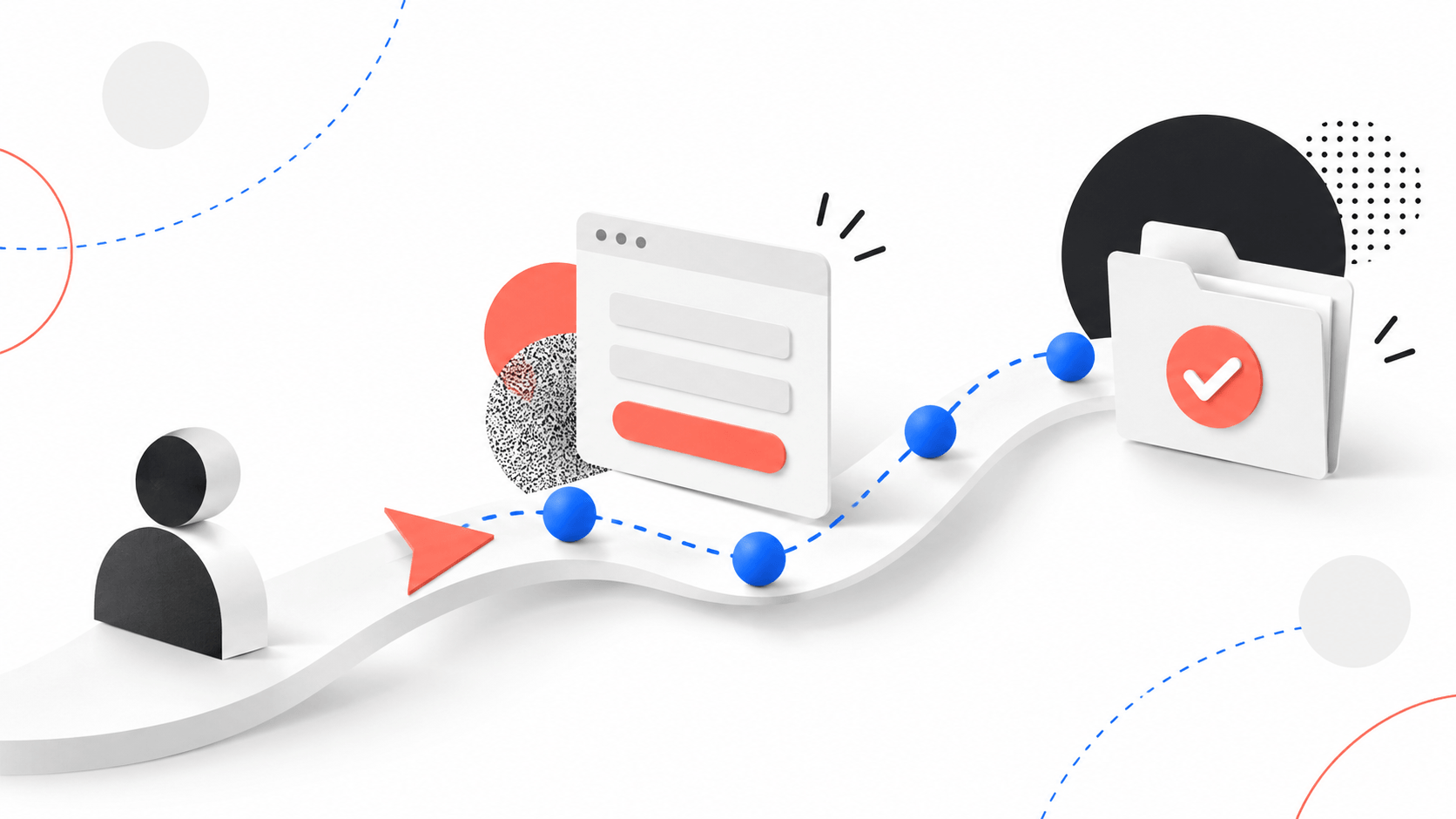
The published process follows six stages: Study, Analyze, Research, Craft, Execute and Deliver.
That is a sensible starting point for local services, where a broad keyword can attract people outside the service area or seeking treatment the practice does not provide.
The most important evidence to request is not a screenshot of impressions. It is the connection between the search term, the local landing page and the appointment that followed.
This kind of specialization often gets lost in generic lists of “top PPC management companies.” The better question is whether the agency has dealt with the specific constraints of the client’s profession.
9. Tekglide
Some search problems are really website problems.
🖥️ Website platforms: Magento, Shopify and WordPress
🔎 Search services: SEO and SEM
📢 Google Ads: Search and Shopping campaigns
🎯 Additional paid channels: Display, remarketing, Microsoft Ads and YouTube
📊 Analytics: Campaign reporting and performance measurement
🧩 SEM offering: Ten published service categories
📍 Additional advertising: Local Services Ads
A store may have a slow checkout, a confusing product hierarchy or pages that developers cannot easily update. The advertising agency can change bids for months without fixing the cause.
Tekglide combines search marketing with website and ecommerce development work, including platforms such as Magento, Shopify and WordPress.
Its search engine marketing services cover Google Ads, Shopping, display remarketing, Microsoft Advertising and landing page optimization.
For a business planning a website rebuild, this combination deserves attention. Migrations can affect organic visibility, while changes to product URLs and conversion pages can disrupt paid campaigns.
Before signing, ask Tekglide to explain the order of operations for a migration involving live Google Ads campaigns. Which URLs stay? Which ones redirect? Who checks conversion tracking after launch? Who has authority to delay a release if search performance is at risk?
A credible answer should involve developers, SEO specialists and paid search managers together.
10. WebFX
WebFX offers SEO, PPC, content, conversion optimization and marketing analytics. Its RevenueCloudFX platform is part of its published approach to connecting marketing activity with business outcomes.
🔎 SEO: Organic search, content and conversion optimization
📢 Paid advertising: PPC and Google Ads
📊 Reporting platform: RevenueCloudFX
🏭 Published B2B example: Hayward Turnstiles
📅 Client relationship in the case: Since 2023
🗓️ Meeting cadence in the case: Monthly
🔗 Technologies listed: RevenueCloudFX, Zoho and Google Ads
A useful example is its case study for manufacturer Hayward Turnstiles. The case page identifies SEO, PPC, and RevenueCloudFX as ongoing parts of the engagement.
That makes it relevant to a familiar B2B problem: marketing reports can identify leads, while the sales team knows which enquiries actually became opportunities.
The two views are not always connected.
For a manufacturer with a long sales cycle, measuring only form submissions can exaggerate the value of some campaigns and understate others.
The right discussion with WebFX is therefore about how data moves between marketing and sales. Can the agency distinguish a student requesting technical information from a procurement manager requesting a quotation? Can the reporting follow a qualified opportunity after it leaves the website?
Those are useful questions for any business hiring PPC specialists, regardless of the reporting platform they use.
Other companies and platforms worth distinguishing
Not every business appearing in a search marketing directory provides SEO and Google Ads management.
Some platforms help companies discover service providers. Others offer marketing software or specialize in parts of the customer acquisition process.
Four names from the original research list fall into these categories.
| Company | Business focus | Relevance to search marketing |
|---|---|---|
| DigiGrasp | Agency listings, digital marketing content and service-provider discovery | Helps businesses research potential marketing partners |
| CitiesAgencies | City-based directories covering marketing, development and other services | Supports agency discovery by location and specialization |
| SellSEO | SEO prospecting software and automated video proposals | Provides lead-generation tools for agencies rather than client campaign management |
| Accord Tech Solutions | B2B SEO, AEO, lead generation, email marketing and CRM-related services | Relevant to B2B acquisition, although Google Ads management is not clearly established in its published offering |
DigiGrasp and CitiesAgencies are discovery resources. SellSEO serves agencies looking for new customers. Accord Tech Solutions operates closer to the marketing-services market but has a different publicly documented emphasis.
These businesses should therefore be considered separately from the ten agencies reviewed above.
What should determine the final choice?
The agencies on this shortlist offer different combinations of SEO, advertising, analytics and website services.
For ecommerce businesses, the most pressing issues may involve product feeds, category pages, advertising expenditure and the profitability of individual product groups.
B2B companies face another set of challenges. A campaign can generate enquiries without producing qualified sales opportunities. Connecting search performance with CRM data becomes particularly important when purchases take weeks or months.
Local service businesses have different priorities again. Geographic targeting, service-page relevance and the quality of incoming enquiries may matter more than overall traffic growth.
The choice of agency should reflect those differences.
RegisTeam provides documented SEO and PPC experience across separate ecommerce projects. Thrive and WebFX publish examples involving both channels within individual client engagements. NinjaPromo offers flexible access to specialists, while other agencies focus on industrial search, local services, product feeds or website development.
What matters is how these capabilities translate into day-to-day work.
An agency managing both Google Ads and SEO should be able to explain which search queries deserve paid coverage, which pages need organic optimization and how the resulting traffic contributes to sales.
It should also recognize when the problem lies elsewhere: a poor landing page, inaccurate product information, weak lead qualification or unreliable conversion tracking.
So, Should One Agency Manage Both Google Ads and SEO?
Yes. A single agency can manage both channels effectively when it has dedicated specialists, shared performance data, and clear responsibility for decisions affecting the website and advertising accounts.
There is no reason to assume that every business needs two separate providers. Equally, placing both services under one contract does not automatically improve performance.
The strongest argument for an integrated agency is simple: the two channels can inform each other. Paid search findings can influence SEO priorities, organic visibility can inform advertising decisions, and both teams can work on the pages responsible for converting visitors into customers.
That coordination matters most when a business has to make difficult budget decisions.
A higher ranking does not automatically justify reducing advertising. More paid conversions do not necessarily mean more profitable customers. Both conclusions require evidence.
The agency worth hiring is the one that can read those results together, identify the real problem and make decisions based on business outcomes.
In 2026, the value of combined Google Ads and SEO management comes from what the teams do with shared information, not from how many services appear on the agency’s website.